
Discovering the Architectural Legacy of Claude Bragdon in Rochester
- Rush Historical Society

- 10 hours ago
- 2 min read
Architecture shapes the way we experience a city. In Rochester, New York, one architect’s work continues to influence the city’s character and history. Claude Bragdon (1866-1946) was not only a skilled architect but also a writer and stage designer. His designs left a lasting mark on Rochester’s landscape, including iconic public buildings and private homes.
On Sunday, May 3rd, at 2 pm, Cynthia Howk, Architectural Research Coordinator at the Landmark Society of Western New York, will present an in-depth look at Bragdon’s contributions. This event, sponsored by the Rush Historian’s Office and the Rush Historical Society, will take place in the Udicious Pavilion.
This post explores Bragdon’s architectural legacy, highlighting his most notable works and the significance of his designs in Rochester and beyond.
Claude Bragdon’s Impact on Rochester’s Architecture
Claude Bragdon’s career spanned several decades during which he designed buildings that combined functionality with artistic expression. His work reflects a unique blend of architectural styles and innovative ideas that were ahead of his time.
Key Buildings Designed by Bragdon
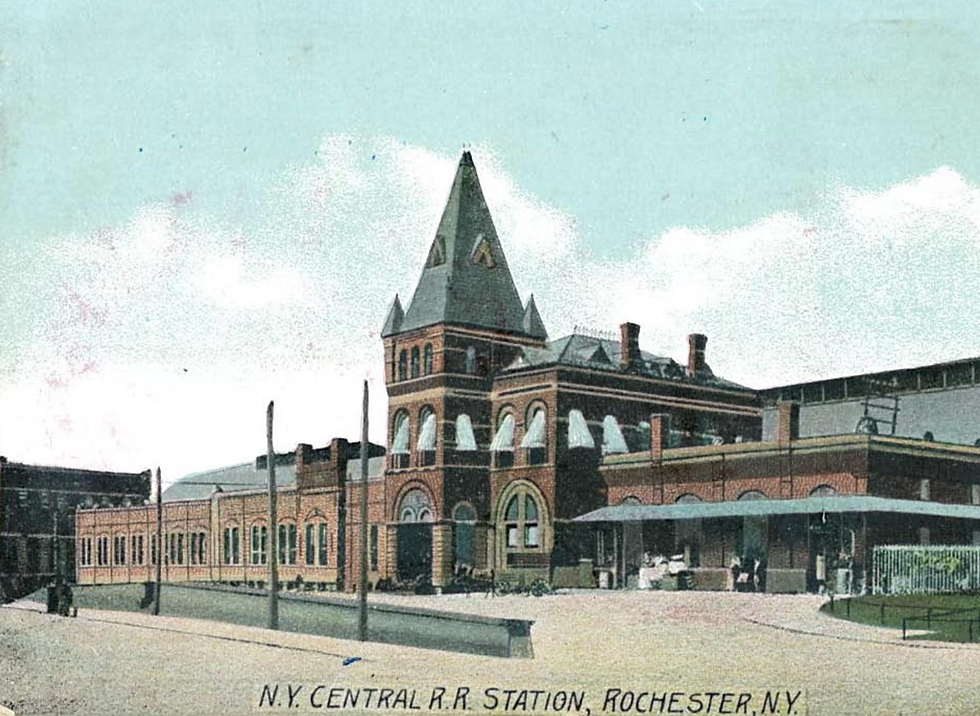
New York Central Railroad Terminal
This terminal remains one of Rochester’s most recognizable landmarks. Bragdon’s design emphasized both grandeur and practicality, creating a space that served thousands of travelers daily while showcasing architectural beauty.
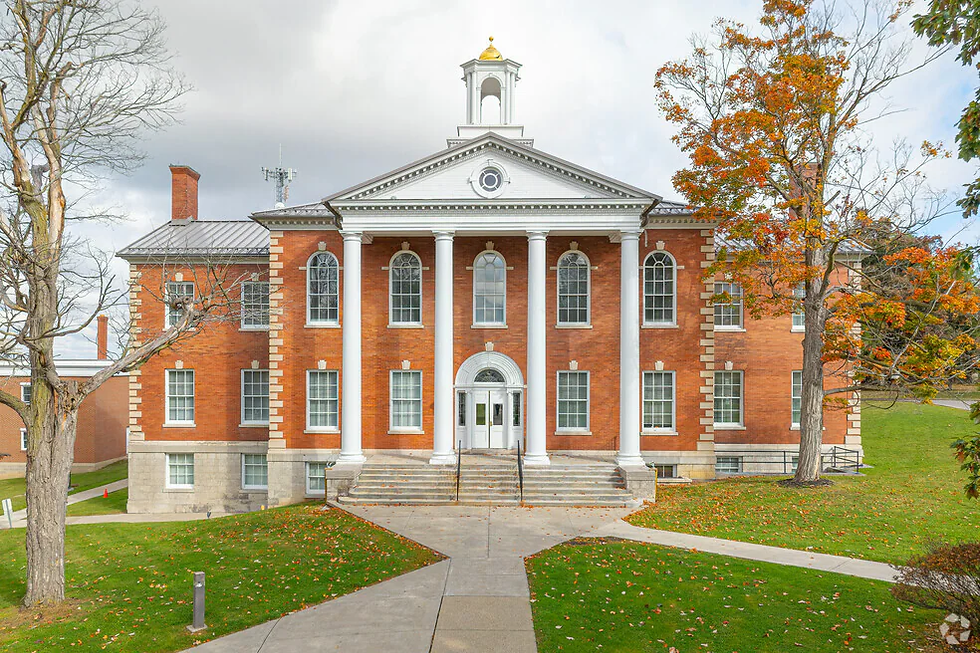
Livingston County Courthouse
The courthouse stands as a symbol of justice and civic pride. Bragdon’s design incorporated classical elements that conveyed stability and authority, fitting for a government building.
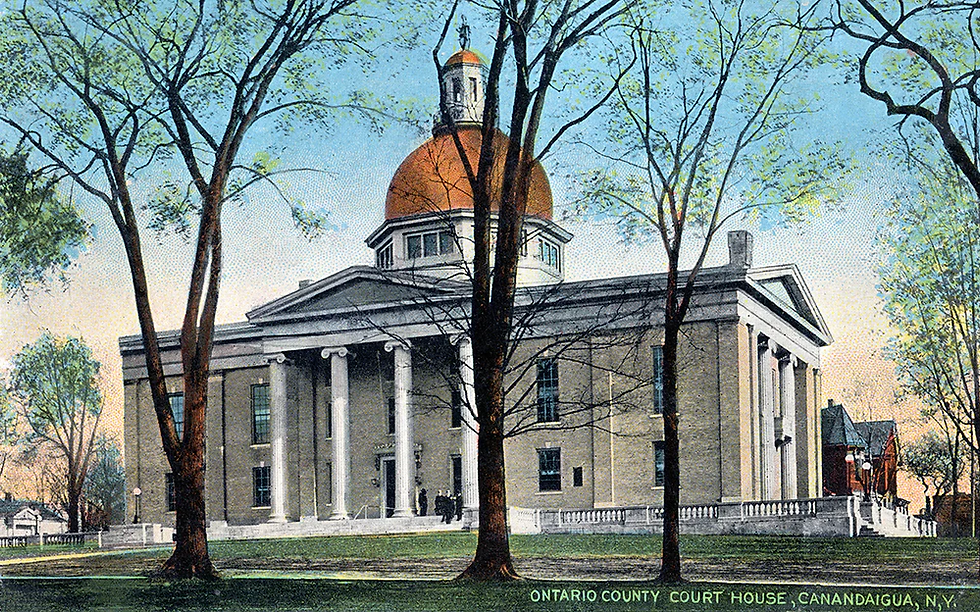
Ontario County Courthouse
Similar to the Livingston courthouse, this building reflects Bragdon’s skill in designing public spaces that are both functional and visually impressive.
Residential Designs in Rush
Bragdon also designed private homes, including two in the town of Rush. One of these homes has recently been added to both the New York State and National Registry of Historic Places. This recognition highlights the architectural and historical value of Bragdon’s residential work, preserving it for future generations.
What to Expect at the May 3rd Presentation
The event at the Udicious Pavilion promises to be an engaging opportunity to learn about Claude Bragdon’s architectural achievements. Cynthia Howk will share detailed research, stories behind the buildings, and the significance of Bragdon’s designs in the context of Rochester’s history.
Whether you are an architecture enthusiast, history buff, or local resident, this presentation offers a chance to deepen your understanding of the city’s built environment.


